
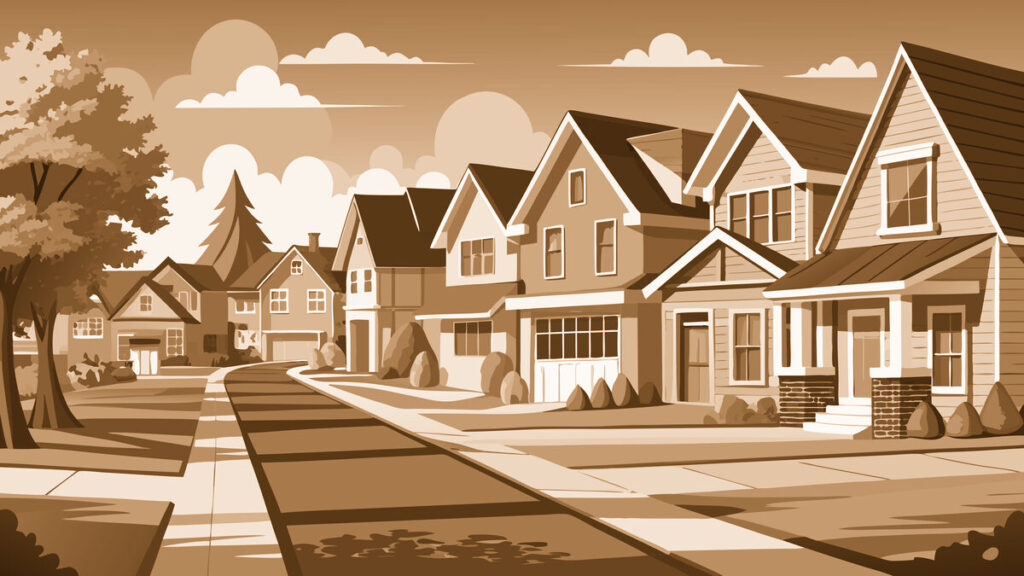
Nestled just north of the University of Arizona and bounded by Campbell Avenue, Fort Lowell Road, Mountain Avenue, and Lester Street, the Samos neighborhood stands as one of Tucson's most cherished enclaves. Known for its leafy streets, classic mid-century architecture, and sense of community, Samos has woven itself into the tapestry of Tucson history. For newcomers and Tucson natives alike, learning about Samos reveals not just the story of a place, but of the people and ideals that have built this vibrant part of the city.
The Origins of Samos
The land that would become Samos was largely undeveloped desert until the mid-20th century. The neighborhood’s origins date back to the post-World War II housing boom, when Tucson’s population rapidly expanded and new residential areas blossomed on what was once the desert fringe. Like many neighborhoods in central Tucson, much of Samos was developed during the 1940s and 1950s, a reflection of both the architectural style and urban planning sensibilities of the time.
The name “Samos” has an interesting—and somewhat mysterious—heritage. While the surrounding area contains subdivisions named for the original developers or Spanish land grant traditions, “Samos” is believed to be named after the Greek island by the same name. Whether this was chosen for its Mediterranean allure or simply as a whimsical decision by early developers is unclear, but it gave the area a distinctive identity from the start.
Key Historical Milestones
- 1940s–1950s: Founding and Early Development
With Tucson booming thanks to the rise of the University of Arizona and Davis-Monthan Air Force Base, new neighborhoods sprang up rapidly. Most of Samos’ classic ranch-style and bungalow homes were built during this era. The post-war years were a time of optimism, and Samos attracted university faculty, young professionals, and families seeking proximity to downtown and the university.
- 1960s–1970s: Growth and Change
As Tucson expanded, Samos found itself in an enviable position: close to urban action but retaining a cozy, residential feel. The construction of nearby Campbell Avenue brought more accessibility but also introduced traffic and modern commercial development along its eastern border. Meanwhile, longtime residents fostered a sense of community with block parties and the founding of the Samos Neighborhood Association, one of Tucson’s earliest such organizations.
- 1990s–2000s: Preservation and Renewal
As older homes aged, new generations moved in, attracted by both affordability and the vintage appeal of the neighborhood. Grassroots preservation efforts took hold, and residents worked to maintain historic properties without sacrificing modern comforts. Community gardens and tree-planting initiatives gave the streets (such as Waverly Street and Cherry Avenue) their green canopy, while accessory dwelling units and sensitive infill continued the tradition of neighborhood evolution.
Landmarks, Streets, and Institutions
Despite its small geographic footprint, Samos is home to several notable landmarks and beloved gathering spots:
- Samos Neighborhood Park:
Tucked at the intersection of Waverly and Norris, this pocket park is a green oasis for families and neighbors to gather, play, and relax. Maintained through joint efforts between residents and the City of Tucson, Samos Park is known for its community events and friendly atmosphere.
- Grant Road Commercial Corridor:
Though Samos is primarily residential, the nearby stretch of Grant Road (just north of the neighborhood) has long served as the area’s commercial lifeline. Beloved local establishments like Raging Sage Coffee Roasters, established in the late 1990s, are community favorites for caffeine, conversation, and a true taste of Tucson hospitality.
- Classic Mid-Century Homes:
Walking the streets of Samos—like Hampton, Edison, and Lester—one is transported back to Tucson’s mid-century heyday. Homes in Samos feature the low-slung lines and outdoor living spaces so central to the Southwest aesthetic, often with lovingly restored desert landscaping. There’s pride in preservation here, with several homes featuring hand-laid brickwork and original neon house numbers.
- Proximity to the University of Arizona:
Just a few minutes away, the University of Arizona has always had a strong influence on Samos. Many professors, graduate students, and staff have called the neighborhood home, fostering a culture of learning and civic engagement that persists today. The University’s influence also brings a periodic turnover that refreshes the area’s character and keeps its spirit youthful.
The Evolution of Samos Over the Decades
In many ways, Samos encapsulates the broader story of Tucson. Where once there were empty lots and mesquite bosques, there now stand mature trees and welcoming front porches. The neighborhood has navigated waves of change—demographic shifts, traffic challenges along major roads, and the pressures of urban development—while maintaining an inclusive and forward-thinking character.
Throughout Tucson’s growth, Samos residents have prioritized connection. Annual neighborhood picnics, group clean-up efforts, and support for local artists and musicians have kept the area tight-knit. Neighborhood listservs and social media groups provide residents with both practical information and a venue for friendly interaction. The Samos Neighborhood Association continues its work, addressing issues from zoning to public safety and ensuring that the area’s heritage is both respected and celebrated.
What Makes Samos Special Today
To walk Samos today is to experience the best of Tucson living. Towering eucalyptus, palo verde, and orange trees shade wide sidewalks. Student cyclists ride to early-morning classes, while retired couples tend to vibrant front gardens. From the scent of blooming creosote in monsoon season to the laughter at backyard gatherings, the spirit here is unmistakable.
Some say that Samos is “close to everything, but a world apart.” Residents prize their proximity to modern life—downtown’s restaurants, the university’s cultural offerings, nearby bike paths and the Rillito River Trail—while enjoying the slow pace, peace, and camaraderie of a neighborhood with deep roots.
As Tucson continues to grow and change, Samos stands as a living reminder of the city’s heritage and the enduring value of community. For those who call it home, Samos is not just a place on the map—it’s where Tucson’s heart beats a little softer and a little stronger, year after year.